
本記事では神戸で英語力が身につくおすすめの英会話スクールを紹介します。
兵庫県神戸市には、神戸駅・三宮駅を中心に120校以上の英会話スクール・英会話教室があり、生徒数の多い大手スクールや少人数制のアットホームなスクール、子供向け英会話教室、短期集中型スクールなど様々な英会話スクールが集まっています。そのため、マンツーマンやグループなどのレッスン形式、ビジネス英会話や日常英会話、TOEICなどのコースは、自分のライフスタイル・目的に合ったスクールが自由に選べるようになっています。
ここでは、駅から近くて口コミが良い英会話スクールを中心に厳選しています。各校で無料体験レッスンを実施しているので、気になったスクールは一度体験してみてくださいね。
神戸でおすすめの英会話スクール
様々な英会話スクールの中で、自分に合った教室を選ぶときのポイントは3つあります。
- 続けやすい料金・通いやすい立地・通いやすい開校時間
- 英会話を学ぶ目的・目標に合ったコースやプログラムがある
- レッスンの形式(個人向けマンツーマンレッスン or グループレッスン)
Gaba(ガバ)

Gaba(ガバ)は全国40校以上展開するマンツーマンに特化した英会話スクールです。
50ヵ国の優秀な外国人講師による完全マンツーマンなので、内容の濃い高品質なレッスンを受けられるのが魅力。
英語レベルや目的に合ったレッスンでサポート体制も充実しているため、英語初心者でも安心して英語を学べます。
朝早く・夜遅くまで開校しており、自由予約制・駅チカ立地なので、仕事前や仕事終わりにも通いやすく無理なく続けられます。
英語初心者、短期集中で英語を学びたい人、仕事終わりに通いたい人におすすめ。
- 選りすぐりの外国人講師による完全マンツーマンのレッスン
- 夜遅くまでの開校など、忙しい社会人でも通えるシステムが充実
- 無料体験レッスンあり
| 店舗名 | Gaba(ガバ) 神戸ラーニングスタジオ |
Gaba(ガバ) 三宮ラーニングスタジオ |
|---|---|---|
| 住所 | 兵庫県神戸市中央区雲井通7-1-1 ミント神戸16階 | 兵庫県神戸市中央区御幸通8-1-6 神戸国際会館17階 |
| 電話番号 | 0120-286-815 | 0120-286-815 |
| 開校時間 | 平日 10:00〜21:55 土日祝 8:30〜20:25 |
<平日 12:00〜21:00 土 9:00〜18:00/td> |
| 休校日 | なし | 月日祝 |
| レッスン形式 | マンツーマンレッスン | マンツーマンレッスン |
| コース・料金 | 1レッスン 5,000円〜7,000円台
※レギュラープランや短期集中プラン、Under25プランなどプランによって料金が異なります。 |
1レッスン 5,000円〜7,000円台
※レギュラープランや短期集中プラン、Under25プランなどプランによって料金が異なります。 |
シェーン英会話
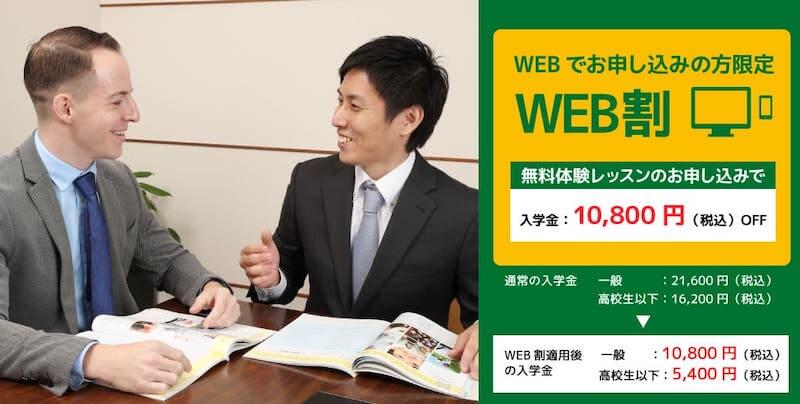
シェーン英会話は首都圏を中心に全国200校以上展開する大手英会話スクール。
個人レッスンと少人数レッスンが選べ、授業の固定制と予約制、ビジネス英会話やTOEICテスト対策といった豊富なコースなど、ライフスタイルや目的に合わせて自分のペースで始められるのが魅力。
また、経験豊富なネイティブ講師によるレッスンや40年のノウハウが詰まった独自カリキュラムで高品質なレッスンを行っています。
大人向けのコースがあるのはもちろん、2歳〜高校生までを対象にしたコースもあり、子供から大人まで通えるスクールです。
- 月謝制、振替・転校制度、自由予約制、豊富なコースなど続けやすく通いやすいシステムが充実
- 経験豊富なネイティブ講師によるトーク重視のレッスン
- 無料体験レッスンあり
| 店舗名 | シェーン英会話 三宮神戸マルイ校 |
|---|---|
| 住所 | 兵庫県神戸市中央区三宮町1-7-2 神戸マルイ店5F |
| 電話番号 | 078-331-7882 |
| 開校時間 | 月 11:00〜13:00 13:45〜18:00 火〜金 11:00〜20:30 土 11:00〜13:00 13:45〜19:15 日 11:00〜13:00 13:45〜18:00 |
| 休校日 | なし |
| レッスン形式 | マンツーマン・グループコース |
| コース・料金 | 月謝制少人数レッスン 週1回 15,606円/月〜 月謝制個人レッスン 月4回 28,566円/月〜 回数制個人レッスン 20回 141,264円〜 |
NOVA(ノバ)
NOVA(ノバ)は全国290校以上展開する業界最大級の英会話スクール。
全コース入会金0円で、マンツーマンレッスンやグループレッスン・ビジネス英会話など好みのレッスンスタイルが選べるのが魅力です。
外国人講師によるレッスンを好きに選んで受講できるので、飽きずに自分のペースで英語を学ぶことができます。
コミュニケーション力を高めたい人、マイペースに英語を学びたい人におすすめ。
- 入会金0円で、初期費用はかからない
- 多国籍の外国人講師による目的に合ったレッスン
- 無料体験レッスンあり
| 店舗名 | NOVA(ノバ) 三宮校 |
NOVA(ノバ) 六甲道校 |
|---|---|---|
| 住所 | 兵庫県神戸市中央区加納町6-6-2 ハニ-ビル5・6F(受付6F) | 兵庫県神戸市灘区桜口町4-5-12 フォ-ラム六甲201 |
| 電話番号 | 078-321-3999 | 078-855-0710 |
| 開校時間 | 平日 10:00〜22:00 土日祝 10:00〜20:00 |
平日 13:00〜22:00 土日祝 10:00〜18:30 |
| 休校日 | なし | 月、木 |
| レッスン形式 | マンツーマン・グループレッスン | マンツーマン・グループレッスン |
| コース・料金 | ■月4回固定プラン(曜日・時間が固定) ・マンツーマン 20,000円〜 ・グループ 10,000円〜 ■月4回フリープラン(曜日・時間が自由) ・マンツーマン 28,000円〜 ・グループ 10,000円〜 など |
■月4回固定プラン(曜日・時間が固定) ・マンツーマン 20,000円〜 ・グループ 10,000円〜 ■月4回フリープラン(曜日・時間が自由) ・マンツーマン 28,000円〜 ・グループ 10,000円〜 など |
英会話イーオン

TVCMでもおなじみの英会話AEON(イーオン)は、全国240校以上展開する業界大手の英会話スクール。
少人数制のグループレッスンや個人レッスンが選べ、日常英会話やビジネス英会話、TOEIC、トラベル英会話などコースが豊富なのが魅力。
日本人講師とネイティブ講師のダブルサポート制をとっているので、英会話初心者でも安心ですし、ネイティブの発音や自然な会話表現を学ぶことができます。
教室は駅チカの立地で通いやすく、自主学習が便利にできるツールや教材が充実しているので、効率よく英語学習が可能。
| 店舗名 | 英会話イーオン 三宮校 |
英会話イーオン 西神中央校 |
|---|---|---|
| 住所 | 兵庫県神戸市中央区北長狭通1-2-2三宮エビスビル6F | 兵庫県神戸市西区糀台5-9-4西神中央駅ビル2F |
| 電話番号 | 0800-111-1111 | 0800-111-1111 |
| 開校時間 | 平日 12:00〜21:00 土 10:00〜19:00 |
平日 12:00〜21:00 土 10:00〜19:00 |
| 休校日 | 月・日・祝 | 月・日・祝 |
| レッスン形式 | マンツーマン・グループレッスン | マンツーマン・グループレッスン |
| コース・料金 | 日常英会話コース 週1回12ヶ月 133,056円〜 短期速習コース 週2回 372,600円〜 プライベートレッスン週1回 320,760円など |
日常英会話コース 週1回12ヶ月 133,056円〜 短期速習コース 週2回 372,600円〜 プライベートレッスン週1回 320,760円など |
神戸・三ノ宮英会話 リアライズ
リアライズは、ネイティブ講師のマンツーマンレッスンを50分3,500円で受けられる格安英会話スクールで、JR三ノ宮駅から徒歩4分・神戸市役所の向かいにあります。
レッスン料の安さだけでなく、生徒一人ひとりに合った質の良いレッスンを提供しているのが大きな特徴。
一人ひとりの目的やレベルに合わせてレッスンをカスタマイズし、一番力を入れたい分野にフォーカスして授業が進むので内容の濃いレッスンを受けられます。
ジェームズをはじめ個性豊かでフレンドリーな講師陣ばかりなので、リラックスした環境の中レッスンが行われるのも”レッスンが楽しくて身に付く”と口コミ評判が高い理由。
日本人講師のKazusaによる文法から学べる初心者クラスもあるので、基礎から学びたい人や中学英語からやり直したい人でも安心して通えますよ。
| 店舗名 | 神戸・三ノ宮英会話 リアライズ |
|---|---|
| 住所 | 兵庫県神戸市中央区八幡通4-2-13-302 |
| 電話番号 | 078-200-5920 |
| 開校時間 | 月 14:00〜22:00 火〜金 12:00〜22:00 土 10:00〜22:00 日 10:00〜20:00 |
| 休校日 | なし |
| レッスン形式 | マンツーマンレッスン |
| コース・料金 | 初心者クラス 10回 34,560円 10回パック 36,000円 |
サンミハールランゲージサービス

サンミハールランゲージサービスは、アメリカ・オーストラリア出身のネイティブ講師によるマンツーマンレッスンを提供する英会話スクール。各線三宮駅から徒歩5分以内のアクセス便利な場所にあります。
ネイティブによる個人レッスンが良心価格で1回から受講可能で、フリートークレッスンが無料で利用できるのが大きな魅力。
レッスン形式はマンツーマン、1対2、フリートーク、最大8名のグループ、オンライン、出張の6種類から選べ、レッスンコースは日常英会話・ビジネス英会話・海外赴任準備・TOEIC・英検、医療英会話・子供英会話など幅広いコースを用意しています。
サンミハールの講師は英日のバイリンガルなので、わからないことがあれば日本語で聞けますし、丁寧にサポートしてくれるので初心者の方でも安心して通えますよ。
| 店舗名 | サンミハールランゲージサービス |
|---|---|
| 住所 | 兵庫県神戸市中央区三宮町1-4-13YSビル4F |
| 電話番号 | 078-331-3035 |
| 開校時間 | 平日 11:30~20:30 土曜 10:00~19:00 |
| 休校日 | 日祝 |
| レッスン形式 | マンツーマン・グループ・オンライン・出張 |
| コース・料金 | マンツーマン 月4回 19,880円/月〜 セミプライベート 月4回 14,240円/月〜 グループレッスン 月4回 34,560円/月〜 |
newtalk
newtalk(ニュートーク)は、カフェのようなオシャレで落ち着いた空間でネイティブ講師によるレッスンが受けられる口コミで人気の英会話スクール。JR三宮駅西口から徒歩6分・JR元町駅から徒歩3分の場所にあります。
個人レッスンと最大3名の少人数レッスンを提供しており少人数レッスンなら1回2,300円台〜と低料金。月謝制と回数制が選べます。
在籍するネイティブ講師はフレンドリーな人柄で、授業以外でもコミュニケーションを取ってくれるのでアットホームな雰囲気の中、楽しくレッスンを受けることができます。
平日は夜22時半まで開校しており仕事終わりでも受講可能で、会社勤めの社会人でも通いやすい。
目的やニーズに合わせて内容の濃いレッスンを受けたいなら個人レッスンがおすすめですよ。
| 店舗名 | newtalk(ニュートーク) |
|---|---|
| 住所 | 兵庫県神戸市中央区下山手通2丁目5−7 セントラルビル3階西側 |
| 電話番号 | 078-393-2480 |
| 開校時間 | 平日 9:00〜22:30 土日 9:00〜18:00 |
| 休校日 | なし |
| レッスン形式 | マンツーマン・グループレッスン |
| コース・料金 | マンツーマン 週1回 20,000円/月〜 マンツーマン 20回パック 95,000円〜 少人数レッスン 週1回 10,000円/月〜 少人数レッスン 20回パック 47,500円/月〜 |
WinBe
WinBe(ウィンビー)が全国90校展開する3歳から高校生までを対象にした大手英会話スクール。神戸には王子公園駅から徒歩2分の場所にあります。
ネイティブ講師と日本人講師のダブル担当制による少人数レッスンで、4技能(聞く・話す・読む・書く)をバランスよく習得できるカリキュラムが整っていることが大きな特徴。
リスニング力・単語力の土台作りとなるフォニックス法や英語のみで指導するダイレクトメソッド、発見学習など英語が習得できる最適なレッスン内容で行われています。
レッスン以外にも、スペリング力を競う大会やスピーチコンテスト、サマーキャンプなどウィンビーならではのイベントが盛り沢山で、異文化に触れながら成長できます。
王子公園校では、週1回〜週5回まで通うことができるので、”短期間で英語を習得させたい””半年後の海外留学に備えて回数を増やしたい”などニーズに合わせてレッスン回数を選べます。
| 店舗名 | WinBe(ウィンビー) 王子公園校 |
|---|---|
| 住所 | 兵庫県神戸市灘区王子町1丁目2-1 月森ビル3階 |
| 電話番号 | 078-882-1161 |
| 開校時間 | 火~金 13:00~21:00 土 10:00~18:00 |
| 休校日 | 月、日、祝 |
| レッスン形式 | グループレッスン |
| コース・料金 | 週1回 9,180円/月〜 週2回 16,200円/月〜 |
ベネッセ ビースタジオ
BE studio(ビースタジオ)はベネッセが提供する幼児・小学生向けの英語教室、神戸市内には20教室近くがあります。
長年培ってきた知見・実績を活かした独自メソッドで、知識を教えるだけでなくゲームやアクティビティなど体験学習から英語力を養うカリキュラムが整っています。
そのため英語を楽しみながらも自然と英語が身に付くようになるので、小さい頃から英語を学ばせたいと考えている方におすすめ。
| 店舗名 | BE studio(ビースタジオ) 上津台1丁目教室 |
|---|---|
| 住所 | 兵庫県神戸市北区上津台1丁目 |
| 電話番号 | 079-559-1189 |
| 開校時間 | 15:30〜19:50 |
| 休校日 | 月、日 |
| レッスン形式 | グループレッスン |
| コース・料金 | ベビーコース 月2回 3,800円/月〜 幼児コース 5,500円/月〜 小学校低学年コース 6,000円/月〜 |
※その他の英語教室については公式サイトでチェックしましょう。
公式サイトを見る
VIP ABC
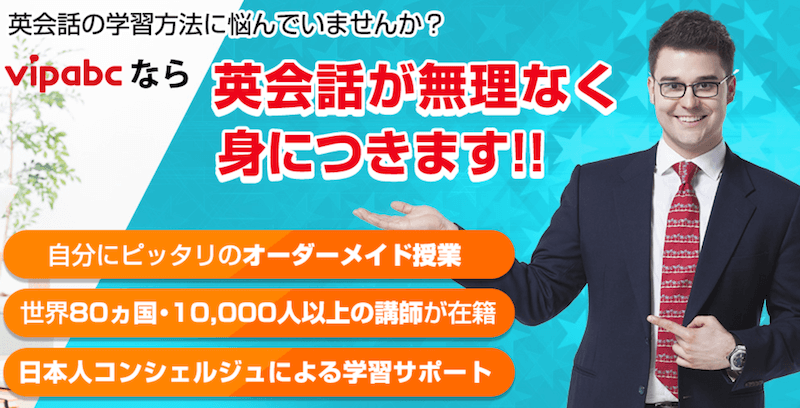
シリコンバレー発の独自メソッドを元にあなただけの専属日本人コンシェルジェが学習サポートしてくれるVIPABC。
世界で選ばれているオンライン英会話サービスだから実現できるAIとビッグデータを活用した英語学習サポートがあなたの英語力アップを最短ルートで導いてくれます。
世界80カ国、10,000人以上の講師が国際的な英語資格の「TESOL」を保有しています。英語ネイティブでない日本人に的確に英語を教える資格を持っている講師がマンツーマン・グループレッスンで徹底サポートしてくれます。
あなたの目的に応じた日常英会話・ビジネス英語のスキルアップサポートをネイティブ講師と日本人コンシェルジェが二人三脚できめ細やかにサポートしてくれます。
| サービス名 | VIPABC |
|---|---|
| レッスン可能時間 | 365日24時間いつでもOK |
| レッスン時間 | 45分/回 |
| レッスン形式 | マンツーマン・少人数グループ |
まとめ
いかがでしたでしょうか。本記事では神戸で英語力が身に付くおすすめの英会話スクールを紹介しました。上記で紹介した英会話スクール以外にも、「ザ・ニュービレッジ」や「ECC外語学院」、「英会話スタジオPES」など様々な英会話スクールがあり、神戸英会話サークルや英会話カフェなどもあります。様々な形態の英会話スクール・英会話教室が集まっているので、自分のライフスタイルや目的・好みにあわせて、ベストなスクールを選びましょう。気になる英会話スクールがあったらまずは一度体験レッスンを申し込んでみましょう!